

Powerful Cooling. Comfort in Every Season.
Explore AllView air conditioners designed for fast cooling, efficient performance and dependable comfort. Discover smart cooling solutions for bedrooms, living rooms, offices and modern Indian homes.
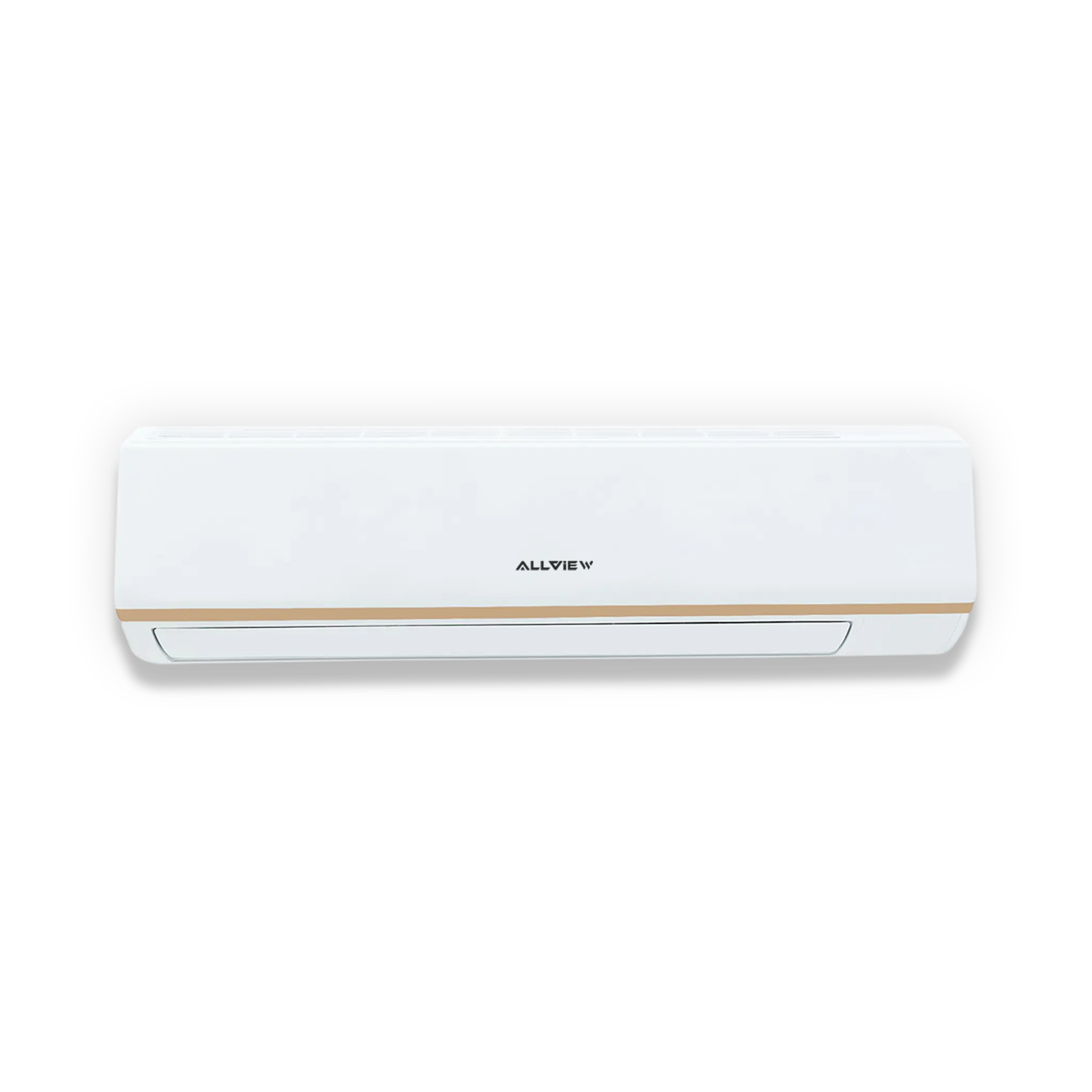
Showing all 12 resultsSorted by popularity
-
Air Conditioners
Allview AV12FS2 1.0 Ton Fix Speed 2 Star split Air Conditioner
₹54,000.00Original price was: ₹54,000.00.₹48,990.00Current price is: ₹48,990.00. -
Air Conditioners
Allview AV12FS3 1.0 Ton Fix Speed 3 Star Split Air Conditioner
₹54,000.00Original price was: ₹54,000.00.₹50,990.00Current price is: ₹50,990.00. -
Air Conditioners
Allview AV12IR3 1.0 Ton Inverter 3 Star Split Air Conditioner
₹55,000.00Original price was: ₹55,000.00.₹51,990.00Current price is: ₹51,990.00. -
Air Conditioners
Allview AV12IR3 1.0 Ton Inverter 3 Star Split Air Conditioner
₹55,000.00Original price was: ₹55,000.00.₹51,990.00Current price is: ₹51,990.00. -
Air Conditioners
Allview AV12IR5 1.0 Ton Inverter 5 Star (1.7R 16HP) Split Air Conditioner
₹70,000.00Original price was: ₹70,000.00.₹62,990.00Current price is: ₹62,990.00. -
Air Conditioners
Allview AV18FS2 1.5 Ton Fix Speed 2 Star Split Air Conditioner
₹60,000.00Original price was: ₹60,000.00.₹54,990.00Current price is: ₹54,990.00. -
Air Conditioners
Allview AV18IR3 1.5 Ton Inverter 3 Star Split Air Conditioner
₹58,000.00Original price was: ₹58,000.00.₹53,990.00Current price is: ₹53,990.00. -
Air Conditioners
Allview AV18IR5 1.5 Ton Inverter 5 Star (2R Coil/1070mm IDU) Split Air Conditioner
₹65,000.00Original price was: ₹65,000.00.₹62,990.00Current price is: ₹62,990.00. -
Air Conditioners
Allview AV24IR3 2.0 Ton Inverter 3 Star (2R/1070mm/18HP/6200W) Split Air Conditioner
₹74,000.00Original price was: ₹74,000.00.₹66,990.00Current price is: ₹66,990.00. -
Air Conditioners
Allview AV24FS2 2.0 Ton Fix Speed 2 Star (2.5R/1070mm/18HP/6600W) Split Air Conditioner
₹75,000.00Original price was: ₹75,000.00.₹68,990.00Current price is: ₹68,990.00. -
Air Conditioners
Allview AV12HC3 1.0 Ton Hot & Cold 3 Star Split Air Conditioner
₹60,000.00Original price was: ₹60,000.00.₹56,990.00Current price is: ₹56,990.00. -
Air Conditioners
Allview AV18FS1 1.5 Ton Fix Speed 1 Star Split Air Conditioner
₹56,000.00Original price was: ₹56,000.00.₹52,990.00Current price is: ₹52,990.00.
AllView Air Conditioners – Smart Cooling for Modern Indian Homes
Choosing the right air conditioner can make a big difference to your comfort, especially during the hot Indian summer. Whether you need a cooling solution for a small bedroom, a spacious living room, or a home office, it is important to find an AC that suits your space, budget, and daily routine.
AllView Air Conditioners are a product category worth exploring when comparing home cooling options. Before choosing a model, however, it is important to check its actual specifications, energy rating, available features, warranty, and installation requirements. These details help you understand what you are paying for and whether the AC meets your needs.
A good air conditioner should do more than cool a room. It should provide comfortable airflow, operate at a reasonable cost, and fit naturally into your everyday life. With the right choice, you can enjoy a cooler home without making your electricity bills unnecessarily high.
Discover AllView Air Conditioners for Everyday Comfort
An air conditioner is an important part of home comfort in places where summer temperatures can remain high for long periods. It helps create a pleasant indoor environment, making it easier to relax, sleep, study, and work.
When exploring AllView Air Conditioners, start by understanding your cooling requirements. Consider the size of your room, how often you use the AC, the number of people who usually occupy the space, and the amount of direct sunlight the room receives. These simple factors can help narrow down your options.
It is also worth checking the product details carefully. Features and specifications can vary between models, so avoid assuming that every AllView AC offers the same technology or performance.
Why AllView Air Conditioners Are Worth Considering for Your Home
When buying an air conditioner, most people look for three basic things: effective cooling, manageable running costs, and reliable everyday operation. Other features, such as sleep mode, a timer, or quieter operation, can also make a difference.
AllView AC models can be compared against these requirements to determine whether a particular option suits your home. Look at the cooling capacity, energy-efficiency information, operating noise, and available controls before making a decision.
Price matters, too. However, the cheapest AC is not always the best value. A slightly more expensive model may be a better choice if it offers useful features or lower energy consumption for your usage pattern.
The key is to compare the actual specifications of the available models instead of choosing based on appearance or price alone.
How AllView ACs Help Keep Your Home Comfortable During Indian Summers
Indian summers can bring intense heat, particularly in cities where buildings absorb sunlight throughout the day. Rooms with large windows, top-floor locations, or limited ventilation can become especially uncomfortable.
An air conditioner removes heat from indoor air and transfers it outside, helping lower the room temperature. Its effectiveness depends on factors such as cooling capacity, installation quality, outdoor temperature, and room insulation.
For better results, keep doors and windows closed while the AC is running. Use curtains to reduce direct sunlight, and make sure furniture does not block the airflow from the indoor unit.
These small changes can help your room cool more evenly. They can also reduce the effort required to maintain a comfortable temperature.
Find the Right AllView Air Conditioner for Your Room and Budget
The best AC for a home is not necessarily the biggest or most expensive one. It is the model that provides suitable cooling without unnecessary spending.
Begin with your budget, but remember to include installation charges and possible electrical work. Next, determine the approximate room size and compare the cooling capacities of the available models.
Think about your daily routine as well. If you run the AC for several hours every day, energy efficiency deserves more attention. If you mainly use it for short periods, the purchase price and essential features may carry more weight.
Finally, check the warranty, service arrangements, and product availability before ordering. A little research now can save money and inconvenience later.
Explore the AllView Air Conditioner Range
Air conditioners come in different capacities and configurations to suit different spaces. A compact bedroom may need a different model from a large living room or an office with several people working inside.
When browsing the AllView AC range, compare the available products by capacity, energy rating, technology, and price. Do not assume that every size or type listed in a general buying guide is currently available under the AllView name. Confirm the current product catalogue before purchasing.
AllView 1-Ton ACs: Practical Cooling for Small Rooms
A 1-ton air conditioner may be suitable for a smaller room, such as a compact bedroom or study, depending on its heat load and layout.
These models can be worth considering for spaces with limited floor area, especially when the room has reasonable insulation and does not receive strong sunlight throughout the day.
However, room size alone does not determine the correct capacity. A small room on the top floor may need more cooling than a similarly sized room on a shaded lower floor. Large windows, poor insulation, and multiple occupants can also increase the cooling requirement.
Before choosing a 1-ton AllView AC, check the recommended room size, rated cooling capacity, and installation requirements in the product specifications.
AllView 1.5-Ton ACs: Comfortable Cooling for Medium-Sized Spaces
A 1.5-ton air conditioner is a common option for bedrooms and medium-sized living spaces. It may also suit rooms that receive more sunlight or have a higher cooling load than a compact bedroom.
The advantage of choosing an appropriately sized AC is that it can maintain a comfortable temperature without struggling continuously to remove heat from the room.
Still, a 1.5-ton model is not automatically the right choice for every medium-sized space. Ceiling height, window placement, insulation, and local weather conditions all affect performance.
If you are comparing AllView 1.5-ton models, pay attention to energy ratings, inverter technology where available, airflow settings, and the warranty terms. These details will give you a clearer picture of the overall value.
AllView 2-Ton ACs: Powerful Cooling for Larger Rooms
A 2-ton air conditioner may be appropriate for a larger living room or another space with a substantial cooling load. It can also be considered for rooms with high ceilings or significant heat entering through windows and walls.
However, choosing a high-capacity AC for a room that does not need it can lead to unnecessary expense. Depending on the technology and operating conditions, an oversized unit may also cycle inefficiently and provide less consistent humidity control.
For this reason, it is better to assess the room before selecting a 2-ton AllView AC. If you are unsure, ask a qualified installer to calculate the cooling requirement.
Compare the rated capacity, power consumption, electrical requirements, and dimensions of the indoor and outdoor units before making your purchase.
Explore AllView Split ACs for Modern Homes and Offices
A split air conditioner has two main components: an indoor unit that distributes cool air and an outdoor unit that releases heat. This arrangement is popular in homes because the indoor unit can be mounted high on a wall without occupying much floor space.
Split ACs can suit bedrooms, living rooms, and home offices. Their installation does, however, require suitable wall space, a drainage route, and an appropriate location for the outdoor unit.
When considering an AllView Split AC, check whether the model is available in the capacity you need and whether professional installation is offered in your area.
The installation cost is worth checking before you order. Copper piping, mounting brackets, drainage arrangements, and extra electrical work may affect the final bill.
Compare Popular AllView AC Models and Their Key Features
Comparing models side by side makes it easier to identify the features that matter most. Rather than focusing only on price, create a shortlist based on cooling performance, energy efficiency, noise levels, and service support.
You can use a simple comparison table when reviewing the available products.
| Feature to compare | What to check |
|---|---|
| Cooling capacity | Whether it suits your room |
| Energy rating | Star rating and applicable efficiency information |
| Technology | Inverter or fixed-speed operation |
| Operating noise | Indoor and outdoor noise specifications |
| Controls | Remote, timer, sleep mode, and other available functions |
| Warranty | Coverage for the product and compressor |
| Installation | Included services and additional charges |
| Price | Final cost after applicable offers |
Use the manufacturer’s specifications or the seller’s current product listing to fill in these details. This avoids relying on assumptions about features that may not be available on every model.
Understand the Different Types of AllView Air Conditioners
Not all air conditioners work in the same way. Some are designed to adjust their cooling output according to the room’s needs, while others operate at a more fixed capacity. Understanding these differences can help you choose a model that suits your routine.
Before buying an AllView AC, confirm the type of unit and technology listed in its specifications. Product names alone may not tell you everything you need to know.
Inverter ACs vs. Fixed-Speed ACs: Which One Should You Choose?
An inverter AC can adjust its compressor speed according to the cooling demand. Once the room approaches the set temperature, the compressor can slow down rather than repeatedly switching between full operation and being off.
A fixed-speed AC generally operates its compressor at a set speed, switching it on and off as needed to regulate the temperature.
Inverter models can offer more consistent cooling and may use less electricity during extended operation. However, actual savings depend on the model, room conditions, usage, and energy rating.
If you use your AC for many hours a day, compare inverter options carefully. For occasional use, the purchase price and other practical features may also influence your decision.
AllView Split ACs for Efficient Everyday Cooling
Split ACs are a practical option for many modern homes. The indoor unit distributes cooled air, while the outdoor unit releases the heat removed from the room.
This design keeps the main cooling unit away from the floor and provides flexibility when arranging furniture. Many split ACs also offer features such as adjustable fan speeds and sleep modes, although the available functions depend on the model.
When comparing AllView Split ACs, check the cooling capacity, rated power consumption, noise levels, and installation requirements. Proper installation is essential because poor drainage, incorrect piping, or unsuitable placement can affect performance.
AllView Hot and Cold ACs for Comfort Across Different Seasons
Hot and cold air conditioners can provide cooling in summer and heating during colder weather. They generally use a reversible heat-pump system to move heat in the required direction.
This feature can be useful in regions where winters are cold enough to make indoor heating desirable. It may also reduce the need for a separate heating appliance.
However, not every AC includes a heating function. Before choosing an AllView model for year-round use, confirm that it explicitly supports both heating and cooling.
Also, compare its heating capacity, operating limits, energy consumption, and service requirements. These details matter when you plan to use the unit throughout the year.
How to Choose an AC Based on Your Room Size and Cooling Needs
Start by measuring the room’s length and width. Multiply these measurements to calculate the floor area, then consider the room’s ceiling height and exposure to sunlight.
A shaded bedroom with one occupant may have a lower cooling requirement than a top-floor room with large windows and several people inside. Appliances that generate heat can also affect the calculation.
Use these details as a starting point, not as a final capacity recommendation. A qualified installer can assess the room’s heat load and suggest an appropriate unit.
Discover Smart Inverter Technology in AllView ACs
Inverter technology is designed to help an air conditioner respond to changing cooling needs. Instead of relying only on repeated compressor starts and stops, an inverter system can vary compressor speed to maintain the desired temperature.
This can make a difference during long periods of operation. However, it is important to check whether a particular AllView AC includes inverter technology rather than assuming it from the product name.
How Inverter Technology Adjusts Cooling to Match Your Needs
When an AC starts cooling a warm room, it may need to work harder to bring the temperature down. Once the room becomes cooler, the cooling requirement decreases.
An inverter compressor can adjust its operating speed to reflect this change. It may then maintain the temperature with fewer abrupt changes in compressor operation.
The result can be steadier cooling and potentially lower energy use under suitable conditions. The actual outcome depends on the equipment, room insulation, outdoor temperature, and chosen settings.
Benefits of Inverter ACs for Everyday Home Use
Inverter ACs can offer several practical advantages. They may maintain a more stable temperature, reduce frequent compressor cycling, and operate efficiently during extended use.
Some models also have quiet operating modes, programmable timers, or sleep functions. These features can make the unit more convenient for bedrooms and home offices.
Still, an inverter label does not guarantee that every model will be equally quiet or economical. Check the individual product specifications and compare the rated energy performance before buying.
Can an Inverter AC Help Reduce Electricity Consumption?
Yes, an inverter AC may use less electricity than a comparable fixed-speed unit, particularly when it runs for long periods under changing cooling loads.
However, the savings are not automatic. A poorly sized unit, a room with substantial heat leakage, or an unnecessarily low temperature setting can increase electricity use.
For a fair comparison, examine the applicable energy-efficiency rating and annual electricity consumption information. These figures are more useful than relying on broad claims about percentage savings.
Inverter AC vs. Non-Inverter AC: Key Differences Explained
The main difference lies in how the compressor operates.
An inverter compressor can vary its speed, while a conventional fixed-speed compressor generally runs at its rated speed and cycles on and off. This difference can affect temperature stability, energy use, and the way each unit responds to changing room conditions.
Fixed-speed ACs may have a lower initial price in some cases. Inverter models may be more economical over time if they save enough electricity during regular use.
Compare the total cost of ownership rather than considering only the price displayed on the product page.
What to Check Before Buying an AllView Inverter AC
Before purchasing, confirm that the model is genuinely an inverter AC. Then compare its cooling capacity, energy rating, noise levels, and electrical requirements.
Check the compressor warranty separately from the overall product warranty. It is also sensible to review installation charges and confirm that authorised service is available in your area.
Finally, consider your usage pattern. A feature that offers little benefit for occasional operation may be more valuable in a room where the AC runs for several hours each day.
Enjoy Energy-Efficient Cooling with AllView Air Conditioners
An energy-efficient AC can help maintain comfort while keeping electricity consumption under control. The model you choose matters, but your daily habits and the condition of your room matter too.
Look at the energy label, follow the manufacturer’s operating guidance, and keep the unit properly maintained. Small improvements can make a noticeable difference over an entire summer.
Understanding 1-Star, 3-Star, and 5-Star AC Energy Ratings
In India, the Bureau of Energy Efficiency (BEE) uses star ratings to indicate the energy efficiency of covered appliances. For comparable ACs under the same applicable rating framework, a higher star rating generally indicates better energy efficiency.
A 5-star model may cost more upfront than a lower-rated alternative, but it could be worthwhile if you use the AC frequently. A lower-rated model may have a lower purchase price, though its running costs could be higher.
Rating standards can change over time, so compare products using current, applicable labels. Check the label’s validity period and the energy-efficiency information for the exact model.
How to Choose an Energy Rating That Fits Your Usage
Think about how often you expect to use the AC. A unit running for much of the day has a different cost profile from one used for a short period in the evening.
If your AC will be used regularly, compare higher-rated models and estimate their potential running costs. For occasional use, the price difference between models may carry more weight.
Also, compare models of similar capacity. A higher star rating alone does not make two ACs directly equivalent if their cooling capacities differ.
Tips to Keep Your AC Electricity Bills Under Control
You do not need to sacrifice comfort to use your AC sensibly. Start with a comfortable temperature setting and avoid running the unit in an empty room.
Keep windows and doors closed while cooling, clean the filters regularly, and use curtains to block strong sunlight. A ceiling fan can help circulate cool air around the room.
If your AC has a timer or sleep mode, use it according to your routine. These simple habits can reduce unnecessary operation without making the room uncomfortable.
How Room Insulation and Sunlight Affect AC Efficiency
Heat enters a room through walls, windows, roofs, and gaps around doors. A room that receives direct afternoon sunlight may warm up faster than one that remains shaded.
Poor insulation can make an AC work harder to maintain the desired temperature. Large windows and heat-generating appliances can add to the load.
Use curtains or blinds, seal noticeable gaps where appropriate, and ensure the room is properly ventilated before switching on the AC. If you are planning a new installation, discuss the room’s heat exposure with the installer.
Simple Habits That Help Your Air Conditioner Use Less Power
-
-
Set a comfortable temperature instead of choosing the lowest setting immediately.
-
-
-
Keep doors and windows closed while the AC is running.
-
-
-
Clean or wash reusable filters according to the manufacturer’s instructions.
-
-
-
Use a fan to improve air circulation when needed.
-
-
-
Switch off the unit when cooling is no longer required.
-
-
-
Arrange professional servicing at suitable intervals.
-
-
-
Avoid placing heat-generating appliances directly beside the thermostat or temperature sensor.
-
These habits are easy to follow. Over time, they can help reduce wasted energy and keep the room more comfortable.
Choose the Right AllView AC Capacity for Your Room
Capacity is one of the most important factors when buying an air conditioner. A unit that is too small may struggle to cool the room, while an oversized model may cost more than necessary.
The correct choice depends on several factors, including room dimensions, sunlight, insulation, occupancy, and local weather.
What Does AC Tonnage Mean, and Why Does It Matter?
AC tonnage describes cooling capacity, not the physical weight of the unit. One refrigeration ton is equivalent to approximately 3.517 kilowatts of cooling capacity.
A higher-tonnage AC can remove heat at a greater rate, provided the unit is operating under the relevant conditions. However, more capacity is not always better.
The goal is to match the AC to the room’s actual cooling load. This helps balance comfort, energy use, and the purchase price.
Is a 1-Ton AllView AC Enough for a Small Bedroom?
A 1-ton AC may work well in a small bedroom with limited heat exposure. It can be a practical choice when the room has suitable insulation and does not have an unusually high cooling load.
However, the same capacity may not be enough for a small room on a hot top floor or one with large sun-facing windows.
Check the recommended room size and cooling capacity of the specific model. If conditions are unusual, seek professional advice before deciding.
When Should You Consider a 1.5-Ton AllView AC?
A 1.5-ton AC may suit a medium-sized bedroom or living space, depending on its layout and heat load. It can also be worth considering when a smaller room receives substantial sunlight or has several occupants.
Do not rely on a general room-size rule alone. Two rooms with the same floor area may require different capacities.
Compare the manufacturer’s guidance, energy rating, and rated cooling capacity to find a suitable option.
Is a 2-Ton AllView AC Suitable for Your Living Room?
A 2-ton AC may be suitable for a large living room, especially if it has high ceilings, several windows, or frequent occupancy.
However, an open-plan living and dining area may have a different cooling requirement from an enclosed room of the same floor area. Heat from cooking appliances or electronics can also affect the load.
Before choosing a high-capacity AC, consider a professional assessment. It can help prevent an unnecessarily large purchase.
How Ceiling Height, Windows, and Occupancy Affect Cooling Requirements
Floor area is only one part of the calculation. A room with a high ceiling contains more air, while sunlight through windows can add considerable heat during the day.
People and electronic equipment also release heat. The more heat entering or being generated inside a room, the harder the AC may need to work.
Share these details when seeking installation advice. They can help a technician recommend a capacity that matches the actual conditions rather than an approximate room-size estimate.
Why Choosing the Correct AC Capacity Matters for Comfort and Efficiency
The right capacity helps the AC maintain a comfortable temperature without unnecessary strain. It can also support more consistent cooling and sensible energy use.
An undersized unit may run for long periods without reaching the set temperature. An oversized unit may cool the room quickly but cycle in a way that reduces comfort or humidity control, depending on its design.
Choose according to the room’s cooling requirement, not simply the largest capacity you can afford.
Explore AllView AC Cooling Performance and Airflow
Cooling capacity determines how quickly an AC can remove heat under specified conditions, while airflow affects how cool air reaches different parts of the room.
Even a capable AC can feel ineffective if it is installed in the wrong place or its airflow is obstructed. Good placement and regular maintenance are therefore essential.
How Cooling Capacity Affects Room Temperature
Cooling capacity indicates how much heat an AC can remove under specified test conditions. A suitable capacity helps the unit bring the room to a comfortable temperature and maintain it as heat enters from outside.
However, the temperature you experience also depends on outdoor conditions, room insulation, the number of occupants, and the AC’s operating settings.
If the room never cools properly, do not assume the unit needs replacing immediately. Check the filters, doors, windows, and settings first, then contact a technician if the problem continues.
Enjoy Better Air Circulation with Proper AC Placement
The indoor unit should be positioned where it can distribute air across the room without blowing directly onto people for long periods.
Avoid placing tall cupboards, curtains, or other obstacles in front of the airflow. The outdoor unit also needs sufficient clearance for heat to escape.
Follow the manufacturer’s installation guidance. Proper positioning can help improve comfort and make servicing easier.
What to Know About Indoor Airflow and Cooling Speed
Airflow determines how effectively cooled air moves around the room. Fan-speed settings can help you adjust the circulation to suit your needs.
A higher fan speed may distribute air more quickly, while a lower speed may feel more comfortable when you are resting. The best setting depends on the room and the model.
If airflow seems weak, inspect the filter if it is designed for user cleaning. Persistent problems may indicate a blockage or technical issue that requires professional attention.
How to Reduce Hot Spots and Uneven Cooling in Your Room
Hot spots can occur when sunlight enters through one window, airflow is blocked by furniture, or the room has an awkward layout.
Use curtains or blinds to reduce solar heat, keep vents unobstructed, and consider using a ceiling fan to circulate the air. Check that the indoor unit is not hidden behind furniture or decorative panels.
If one part of the room remains noticeably warmer, review the AC’s position and the room’s layout. A technician can help determine whether the issue relates to capacity, airflow, or installation.
Tips for Getting Comfortable Cooling During Peak Summer Heat
During extremely hot weather, give the AC time to cool the room rather than repeatedly changing the temperature setting.
Close windows, draw curtains on sun-facing sides, and keep the filter clean. Avoid introducing unnecessary heat by leaving high-power appliances running when they are not needed.
If the room remains hot despite these measures, the AC may be undersized or need servicing. A qualified technician can check its performance and identify the cause.
AllView AC Features That Make Everyday Life Easier
Modern air conditioners can include several convenience features that make everyday operation simpler. These may include remote controls, timers, sleep modes, adjustable fan speeds, and different cooling settings.
The exact features vary between models. When comparing AllView ACs, focus on the functions you will genuinely use rather than choosing a product simply because it has a longer feature list.
Remote-Controlled Temperature and Fan Settings
A remote control allows you to adjust the temperature, fan speed, and operating mode without reaching the indoor unit. This is particularly useful when the AC is mounted high on a wall.
Some models may also provide display controls or other convenient operating options. Check the product specifications to confirm which functions are included.
Keep the remote in an accessible place and replace its batteries when required. Simple, but helpful.
Explore Different Cooling Modes for Changing Weather Conditions
Many air conditioners provide different operating modes to suit varying conditions. Common examples include cooling, fan-only, dry, and automatic modes, although availability depends on the model.
Cooling mode lowers the room temperature. Fan mode circulates air without providing the same active cooling, while dry mode is intended to help manage indoor humidity under suitable conditions.
Read the user manual to understand what each setting does. Using the appropriate mode can make the AC more comfortable to operate throughout the day.
Sleep Mode and Comfortable Night-Time Cooling
Sleep mode is designed to make nighttime operation more comfortable. Depending on the AC, it may gradually adjust the temperature or fan operation over a set period.
This can help prevent the room from becoming unnecessarily cold while you sleep. It may also reduce energy use in some circumstances.
If you prefer sleeping in a cool room, look for an AC with a convenient sleep setting. Confirm the precise function in the product manual, as different models may implement it differently.
Timer Functions for More Convenient AC Operation
A timer lets you schedule when the AC switches on or off. For example, you may set it to turn off after you have fallen asleep or before you expect to leave home.
This feature can prevent unnecessary operation and make everyday use more convenient.
Check whether the model offers an on-timer, an off-timer, or both. Follow the instructions for setting the timer correctly.
Quiet Operation for Bedrooms, Study Rooms, and Home Offices
Noise can be an important consideration in bedrooms and workspaces. A loud indoor unit may become distracting during sleep, reading, online meetings, or study sessions.
Compare the indoor noise rating, usually expressed in decibels, and check whether the AC has a quiet or low-fan-speed mode.
Remember that installation also matters. Loose mounting brackets, vibration, or problems with the outdoor unit can cause unwanted noise.
Understanding Display Features, Controls, and Available Smart Functions
Some air conditioners provide temperature displays, diagnostic indicators, or additional control functions. Certain models may also support app-based operation or other smart features.
However, these functions should never be assumed to be standard across the entire range. Check the official product description for the exact model.
If you want to control your AC through a smartphone, confirm the required app, network compatibility, and any setup requirements before purchasing.
AllView ACs for Different Spaces in Your Home
Each room has its own cooling needs. A bedroom may require quiet operation at night, while a living room may need greater capacity because of its size and frequent use.
Choosing the right AC starts with understanding how the space is used.
Choose an AllView AC for Your Bedroom
A bedroom AC should provide comfortable cooling without excessive noise or complicated controls. Features such as a sleep mode, timer, and adjustable fan speed can be useful.
Choose the capacity according to the room’s size and heat load. If sunlight enters through the windows for much of the afternoon, the room may need more cooling than a shaded bedroom.
Also, consider where the indoor unit will be installed. Air should circulate freely without blowing directly onto the bed for extended periods.
Find the Right Air Conditioner for Your Living Room
Living rooms often have more windows, more occupants, and more heat-generating devices than bedrooms. These factors can increase the cooling requirement.
Measure the space and consider whether the room opens into a dining area or another part of the home. An open-plan layout may need a different solution from a separate room of the same size.
Compare cooling capacity, airflow, noise levels, and energy efficiency. These factors can help you find a suitable AllView AC for everyday family use.
Keep Your Home Office Comfortable During Long Working Hours
Working from home can become difficult when a room feels hot and stuffy. A suitable AC helps maintain a comfortable environment for video calls, focused work, and long hours at a desk.
Look for practical features such as low-noise operation, a timer, and convenient temperature controls. If your computer and other equipment generate significant heat, include that when assessing the cooling requirement.
Place the indoor unit so that cool air reaches the room without blowing directly onto your face or hands throughout the working day.
Choose an AC for Guest Rooms and Study Areas
Guest rooms and study areas may not need the same level of cooling as a frequently used living room. However, the AC should still be able to manage the room’s heat load comfortably.
If the room is used occasionally, compare the initial price and essential features. If it is a study space used every day, energy efficiency and quiet operation may be more important.
A simple remote control and timer can also make the unit easier for different family members to use.
Cooling Solutions for Shops and Small Commercial Spaces
Small shops, reception areas, and compact offices may also benefit from air conditioning. The right choice depends on the room’s size, the number of people present, opening hours, and heat entering from the outside.
A shop with a frequently opened entrance may need more cooling capacity than an enclosed room of the same size. Lighting, computers, and other equipment can increase the heat load.
Before installing an AllView AC in a commercial space, confirm that the selected model is suitable for the intended use and that its warranty conditions cover that application.
Match AC Capacity to Room Size, Sunlight, and Daily Usage
A useful way to narrow down your choices is to consider three things together: room dimensions, heat exposure, and hours of operation.
A small, shaded bedroom used for a few hours each evening has different needs from a large living room used throughout the day. The best AC should reflect those differences.
If you are uncertain, ask an installer to assess the space. This is especially helpful for open-plan rooms, top-floor spaces, or rooms with unusually high ceilings.
AllView AC Prices in India: Find an Option for Your Budget
The price of an air conditioner depends on more than its cooling capacity. Technology, energy efficiency, additional functions, and installation requirements can all affect the total cost.
Since prices and available models can change, check the current AllView India Electronics listings for accurate information. Compare the final payable amount rather than relying on an old promotional price.
Explore Affordable AllView ACs for Everyday Cooling
An affordable AC can be a sensible choice if it meets your cooling needs and includes the essential functions you require.
Start by identifying your minimum requirements. These may include the correct capacity, a suitable energy rating, convenient controls, and a clear warranty.
Avoid paying extra for features you are unlikely to use. At the same time, do not overlook installation quality or service availability just to save a small amount at the time of purchase.
Compare AllView 1-Ton AC Prices and Features
When comparing 1-ton ACs, check the cooling capacity, energy rating, technology, and included features. Two models with the same nominal capacity may differ in their efficiency and operating costs.
Also, check the dimensions and installation requirements. A low advertised price may not include every service or accessory needed for installation.
The best option is one that fits your room and budget while providing the features you actually need.
Understand the Price Difference Between 1.5-Ton and 2-Ton ACs
Higher-capacity ACs often cost more because they are designed to handle greater cooling loads. However, prices vary with technology, efficiency, features, and the seller’s current offers.
Do not choose a 2-ton model simply because it seems more powerful. If your room only needs a smaller unit, the extra capacity may not offer meaningful benefits.
Determine the appropriate capacity first, then compare prices within that category.
Compare Inverter and Fixed-Speed AC Prices
Inverter ACs may have a higher purchase price than comparable fixed-speed models. However, their ability to adjust compressor speed may offer energy savings during extended use.
To decide whether the extra cost is worthwhile, consider how many hours you use the AC and compare the energy-efficiency information for similar models.
A higher initial price can be justified if the overall cost of ownership works in your favour. It is also possible that a well-priced conventional model may better suit occasional use.
What Factors Affect AllView Air Conditioner Prices?
Several factors can influence the price of an AC:
-
-
Cooling capacity and the type of unit.
-
-
-
Inverter technology and energy-efficiency rating.
-
-
-
Additional operating modes and convenience features.
-
-
-
Product availability and current promotional offers.
-
-
-
Warranty terms and included services.
-
-
-
Delivery, installation, and any additional materials required.
-
Compare these details together. A price tag alone does not tell you whether a model offers good value.
Consider Installation, Accessories, and Other Additional Costs
The advertised price may not cover every expense involved in setting up an AC. Depending on the seller and installation conditions, you may need to pay for extra piping, drainage work, mounting brackets, wiring, or other materials.
There may also be charges for removing an old unit or completing additional electrical work.
Before ordering, ask for a breakdown of the installation package. Knowing the likely total cost makes budgeting easier and helps prevent surprises.
How to Compare AC Features Without Overspending
Create a shortlist of two or three models that meet your room’s cooling requirements. Compare their energy ratings, operating noise, essential controls, warranty terms, and final prices.
Then separate useful features from optional extras. A timer may be important if you regularly use the AC at night, while smartphone controls may be unnecessary if you prefer a conventional remote.
This approach keeps your decision practical. The aim is not to buy the most feature-rich AC, but the one that gives you the best value for your needs.
Find the Best AllView AC Deals and Exclusive Offers
Seasonal offers can make buying an air conditioner more affordable. However, a discount is only useful when the product suits your requirements and the final price is competitive.
Check the current offers available through AllView India Electronics and review the conditions carefully. Availability, eligibility, and discount amounts can change.
Explore the Latest AllView Air Conditioner Offers
Start by browsing the current air conditioner listings and checking whether any promotional prices are available.
Compare the discounted amount with the product’s specifications and the prices of similar models. A lower price is attractive, but it should not distract you from important details such as capacity, energy rating, and warranty.
Always confirm that the offer applies to the exact model you intend to purchase.
Discover Discounts on Selected AllView AC Models
Some promotions may apply only to selected products or specific capacities. Others may require a particular payment method or minimum order value.
Read the offer conditions before adding a product to your cart. Check the validity period, exclusions, and whether the discount is applied automatically or requires a coupon code.
If the model you want is not included, compare its regular price with suitable alternatives rather than choosing an unsuitable product just to claim a discount.
Look for Seasonal Savings Before and During Summer
Demand for air conditioners usually rises as temperatures increase. Shopping before peak summer may give you more time to compare products and installation arrangements.
However, there is no guarantee that prices will always be lower during a particular month. Offers depend on stock, retailer policies, and market conditions.
If you know you will need an AC, begin researching early. That gives you time to compare prices without rushing into a decision during a heatwave.
Find Festive AC Deals During Diwali and Other Shopping Events
Festive sales can include discounts on home electronics and appliances. Depending on the seller, offers may involve reduced prices, bank promotions, or payment benefits.
Check the terms carefully. A discount may apply only to certain products, cards, or order values.
Compare the final price with the regular price and include installation costs in your calculation. A genuine saving should reduce your total expense, not simply make the headline discount look impressive.
Check Eligible Bank Offers, Coupon Codes, and EMI Options
Bank discounts, coupon codes, and instalment plans may help spread out the cost of an AC. However, eligibility varies between sellers and payment providers.
Before choosing an offer, check the minimum purchase amount, applicable cards, processing fees, interest charges, and repayment terms. Some instalment plans may be interest-free only when specific conditions are met.
Choose the payment option that fits your budget. Do not spend more than planned simply to qualify for a promotion.
How to Compare AC Discounts and Find Genuine Value
Look beyond the advertised percentage. Compare the final price of the same model across reliable sellers and check what is included.
A lower price may come with different delivery or installation arrangements. Another offer may appear smaller but include a useful service.
Read the terms, verify the seller, and confirm the warranty. These checks help you distinguish a worthwhile deal from a promotion that offers little practical benefit.
Tips for Buying an AllView AC at the Right Time
Start researching before your existing AC fails or the hottest weeks arrive. This gives you time to compare capacities, energy ratings, and installation options.
Keep an eye on official product listings and genuine promotional announcements. If an offer looks attractive, confirm its validity before completing payment.
Most importantly, choose the right model first and the deal second. A suitable AC at a fair price is better than an unsuitable model bought at a steep discount.
How to Choose the Best AllView Air Conditioner
Buying an AC becomes easier when you know which features matter most. Instead of getting distracted by technical terms or promotional claims, focus on the needs of your home.
A practical buying process begins with room size and budget, followed by energy efficiency, operating features, installation, and warranty.
Start with Your Budget and Everyday Cooling Requirements
Decide how much you can comfortably spend on the complete purchase. Include the AC itself, installation, additional materials, and any electrical work that may be needed.
Next, think about your routine. Do you use the AC mainly at night, throughout the afternoon, or for most of the day? Longer operating hours can make energy efficiency more important.
Once these details are clear, compare the models that fit your budget and requirements.
Decide Between Inverter and Fixed-Speed Technology
Your daily usage is a useful starting point when comparing these technologies. An inverter AC may offer advantages during extended operation, while a fixed-speed model may have a lower upfront cost.
However, compare actual efficiency ratings and purchase prices rather than relying on general assumptions.
Check whether the model’s compressor technology is clearly stated in the product specifications. Then consider the expected running costs over the period you intend to keep the AC.
Choose the Right Tonnage for Your Room
Room size, sunlight, ceiling height, and occupancy all influence the required capacity. Choosing the right tonnage helps the AC cool effectively without unnecessary expense.
Measure the room and note any unusual conditions, such as large windows or a top-floor location. If the room connects to other spaces, include that in your assessment.
Use the manufacturer’s recommendations or ask a qualified installer for help if you are unsure.
Compare Energy Ratings and Expected Electricity Usage
The energy rating helps you understand how efficiently an AC uses electricity under the applicable testing framework.
Compare models with similar cooling capacities and check the information on their energy labels. If annual energy consumption figures are provided, use them as a starting point for estimating running costs.
Your actual bill will depend on the temperature setting, hours of operation, room conditions, and electricity tariff.
Check Cooling Capacity and Indoor Airflow Specifications
Cooling capacity indicates how much heat the AC can remove under specified conditions. Airflow helps distribute the cooled air around the room.
Both matter. A model with suitable capacity may still feel uncomfortable if its indoor unit is poorly positioned or the airflow is blocked.
Check the product specifications and consider where the unit will be installed before making your final choice.
Consider Noise Levels for Bedrooms and Quiet Spaces
If you plan to install the AC in a bedroom or study, look at its indoor noise rating. Lower noise levels can make a difference when sleeping, reading, or attending online meetings.
Check whether the model has a quiet operating mode and whether its fan speed can be adjusted.
Also, make sure the installation surface is secure. Vibrations from poorly fitted components can create noise even when the unit itself is designed for quiet operation.
Review Refrigerant Type and Other Technical Specifications
The refrigerant is the substance that circulates through the cooling system and transfers heat. Different AC models may use different refrigerants, so check the exact specification.
Also, review the voltage requirements, rated power consumption, dimensions, and installation clearances. These details help ensure that the unit is compatible with your home.
Do not assume that every model uses the same refrigerant or electrical configuration.
Check Warranty Coverage and Installation Requirements
Before purchasing, review the warranty for the complete product and the compressor. These may have different coverage periods and conditions.
Check what the warranty excludes, whether authorised installation is required, and how service requests are handled.
It is also worth confirming whether installation is included in the price. Clear information now can prevent confusion later.
Balance Purchase Price, Energy Use, and Long-Term Value
The lowest purchase price does not always mean the lowest overall cost. Electricity consumption, maintenance, installation, and warranty support also affect value over time.
An energy-efficient model may cost more initially but could be worthwhile if you use it frequently. On the other hand, an expensive model with features you rarely use may not be the best fit.
Choose a unit that balances comfort, operating costs, and the features you genuinely need.
Important AllView AC Specifications You Should Understand
Air conditioner product pages often contain technical terms that can seem confusing at first. Understanding a few basic specifications makes comparing models much easier.
Focus on cooling capacity, power consumption, energy rating, refrigerant, noise, and electrical requirements. These details explain how the AC is designed to perform and whether it suits your room.
Cooling Capacity in Watts and BTUs Explained
Cooling capacity is often expressed in watts, kilowatts, or British thermal units per hour (BTU/h).
One watt is a unit of power, while BTU/h is another way to express the rate at which heat is removed. These measurements describe cooling output, not the electricity consumed by the appliance.
When comparing AllView AC models, make sure you are comparing cooling capacity with cooling capacity rather than confusing it with electrical input.
What Is the Difference Between Cooling Capacity and Power Consumption?
Cooling capacity describes how much heat an AC can remove from a room. Power consumption describes how much electrical power it uses while operating.
The two figures are related, but they are not interchangeable. An AC can provide a certain amount of cooling while consuming a different amount of electrical power.
This distinction is important when assessing efficiency. Compare the rated cooling output and energy-efficiency information together rather than judging a model by a single number.
Understand AC Star Ratings and ISEER Values
In India, the Bureau of Energy Efficiency provides star ratings for covered appliances under its applicable standards. The Indian Seasonal Energy Efficiency Ratio (ISEER) is used to assess the seasonal energy performance of relevant ACs.
A higher efficiency rating generally indicates better performance under the applicable testing framework. However, ratings should be compared carefully, especially when standards or validity periods differ.
Check the current energy label on the exact model before purchasing. This is more reliable than depending on an old product description.
Learn About R32 Refrigerant and Its Role in Cooling
R32 is a refrigerant used in some modern air conditioners. It circulates through the system and helps transfer heat between the indoor and outdoor units.
It has a lower global warming potential than R410A, although it is mildly flammable and must be handled with appropriate care.
Not every AC uses R32. Check the refrigerant specification for the model you are considering, and leave refrigerant handling or repairs to qualified professionals.
Why Indoor Noise Levels Matter When Choosing an AC
Indoor noise is particularly important in bedrooms, study rooms, and workspaces. A quieter unit can make it easier to relax or concentrate.
Manufacturers may list noise levels in decibels, sometimes providing separate figures for different fan speeds. Lower figures generally indicate less sound under the stated test conditions.
Use these specifications to compare similar models, while remembering that room acoustics and installation quality can also affect perceived noise.
Check Voltage Requirements and Electrical Compatibility
Before installing an AC, confirm its voltage requirements and rated electrical load. Your home’s electrical circuit must be suitable for the appliance.
Air conditioners may require a properly rated circuit, appropriate wiring, and suitable protective devices. Avoid using an unsuitable extension cord or an overloaded socket.
If you are unsure whether your electrical setup is adequate, consult a qualified electrician before installation.
AllView AC Installation: What Homeowners Should Know
Good installation is essential for reliable cooling. Even a suitable air conditioner may perform poorly if its indoor unit is badly positioned, its drainage is incorrect, or its outdoor unit cannot release heat properly.
Plan the installation before the product arrives. It can save time and help prevent avoidable complications.
Prepare Your Room Before Your New AC Arrives
Choose a suitable location for the indoor unit and make sure there is enough space for installation and servicing. Move furniture or decorations that could obstruct airflow.
Identify a practical route for drainage and the refrigerant piping. Also, confirm where the outdoor unit can be placed safely.
If you are replacing an old AC, ask whether removing it is included in the installation service.
Choose the Right Location for the Indoor Unit
The indoor unit should be mounted securely in a position that allows air to circulate around the room. Avoid placing it where curtains, cupboards, or other obstacles block the airflow.
It is usually helpful to choose a location that distributes air across the room rather than directly onto a bed or desk.
Follow the manufacturer’s clearance requirements and installation instructions. A professional installer can help identify a suitable position.
Find a Suitable Position for the Outdoor Unit
The outdoor unit releases heat removed from the room, so it needs adequate airflow around it.
Avoid placing it in a cramped area where hot air cannot escape. It should also be mounted securely and positioned where servicing can be carried out safely.
Consider weather exposure, vibration, drainage, and access for maintenance. Follow the manufacturer’s instructions and any applicable building requirements.
Why Professional AC Installation Matters
Professional installation helps ensure that the unit is mounted correctly and that its electrical connections, drainage, and refrigerant piping are handled properly.
Incorrect installation can lead to water leakage, poor cooling, vibration, or other problems. It may also affect warranty coverage if the manufacturer requires installation by an authorised service provider.
Before booking, confirm the installer’s qualifications and ask what the quoted service includes.
Understand Copper Piping, Drainage, and Electrical Connections
Split ACs use refrigerant piping to connect the indoor and outdoor units. Depending on the installation, additional piping or insulation may be required.
The condensate drain carries away moisture collected by the indoor unit. If it is incorrectly installed or obstructed, water may leak inside the room.
Electrical connections must also meet the appliance’s requirements. These tasks should be handled by qualified professionals rather than attempted without the necessary training.
Check Installation Charges and Included Accessories Before Ordering
Installation packages can differ between sellers and service providers. Some may include standard mounting work, while others may charge separately for additional piping, brackets, wiring, or other materials.
Ask for a clear breakdown of the charges before placing your order. Confirm whether delivery, installation, old-unit removal, and testing are included.
A transparent quotation makes it easier to plan your budget and compare offers accurately.
What to Check After Your AllView AC Has Been Installed
Once the installation is complete, ask the technician to demonstrate the basic controls and operating modes.
Check that the unit starts correctly, cool air is being delivered, the drainage is working, and there are no unusual sounds or visible leaks. Confirm that the remote control functions as expected.
Keep the installation paperwork and service details. If you notice a problem soon after installation, report it promptly to the appropriate service provider.
AllView AC Maintenance Tips for Better Performance
Regular maintenance helps keep an air conditioner working properly. Dust, blocked filters, and obstructed outdoor units can affect airflow and make cooling less effective.
Simple cleaning can be done at home when the user manual allows it. Technical servicing should be left to qualified professionals.
Clean AC Filters Regularly to Maintain Good Airflow
Air filters collect dust and other airborne particles as air passes through the indoor unit. Over time, a dirty filter can restrict airflow and reduce cooling performance.
Check the manual for instructions on inspecting and cleaning the filters. If they are washable, allow them to dry completely before reinstalling them.
The ideal cleaning frequency depends on usage and the amount of dust in your home. Homes near busy roads or construction areas may need more frequent attention.
Why Outdoor Unit Cleaning Is Important
Dust, leaves, and other debris can accumulate around the outdoor unit. If airflow becomes obstructed, the system may struggle to release heat.
Keep the area around the unit clear and inspect it periodically. Switch off the AC before carrying out any basic external cleaning permitted by the manual.
Do not open electrical compartments or attempt to clean delicate internal components without the necessary training.
Keep the Indoor and Outdoor Units Free from Obstructions
The indoor unit needs enough space to draw in and distribute air. The outdoor unit needs room to release heat.
Avoid placing objects directly in front of the indoor air outlet or stacking items around the outdoor unit. Check that curtains and furniture do not interfere with airflow.
Clear surroundings can help the AC operate as intended and make routine inspection easier.
Schedule Professional AC Servicing at Suitable Intervals
Professional servicing can help identify problems before they become more serious. A technician may inspect the electrical connections, drainage, coils, refrigerant system, and overall operation as appropriate.
The recommended servicing interval depends on the model, usage, environment, and manufacturer’s guidance.
Follow the service schedule in the manual and use an authorised provider where required by the warranty.
Recognise Common Signs That Your AC Needs Attention
Some signs suggest that your AC may need inspection:
-
-
The room takes unusually long to cool.
-
-
-
Airflow seems weaker than normal.
-
-
-
Water leaks from the indoor unit.
-
-
-
The unit makes unfamiliar noises.
-
-
-
The AC switches off unexpectedly or displays an error code.
-
-
-
Electricity consumption rises without an obvious change in usage.
-
Basic checks may resolve some issues, but persistent problems should be assessed by a qualified technician.
How Regular Maintenance Can Support Long-Term Performance
A well-maintained AC is more likely to provide consistent cooling and reliable operation. Cleaning filters, keeping the outdoor unit clear, and arranging suitable servicing can also help identify faults early.
Maintenance cannot prevent every breakdown, but it reduces the risk of problems caused by neglect.
Keep a record of service visits and any repairs. This can be useful when requesting warranty support or explaining a recurring issue.
Use Your AllView AC More Efficiently During Indian Summers
Using an air conditioner efficiently does not mean sitting in an uncomfortably warm room. It means finding a comfortable setting and avoiding unnecessary energy use.
A few adjustments to your daily routine can help your AC maintain a pleasant indoor temperature while keeping electricity consumption under control.
What Temperature Should You Set on Your AC?
A temperature setting of around 24°C is a reasonable starting point for many people. The ideal setting depends on personal comfort, humidity, clothing, and the conditions inside your home.
Setting the temperature extremely low does not necessarily make the AC cool the room faster. It simply asks the system to work towards a lower target.
Start with a comfortable setting and adjust it gradually. If your AC has an automatic or energy-saving mode, check the manual to understand how it works.
Use Ceiling Fans Alongside Your AC for Better Air Circulation
A ceiling fan helps circulate air around the room, making the cooling feel more evenly distributed. This can improve comfort without requiring you to set the AC to an excessively low temperature.
Fans do not lower the room temperature in the same way an AC does, but moving air can make people feel cooler.
Use a comfortable fan speed and switch the fan off when the room is empty. This avoids using electricity when the additional airflow is not needed.
Keep Doors and Windows Closed While Cooling
Open doors and windows allow hot outdoor air to enter the room. This makes it harder for the AC to maintain the desired temperature.
Keep them closed while cooling, and check for noticeable gaps that allow warm air to enter. If you need to ventilate the room, consider doing so when outdoor conditions are more suitable.
Good sealing helps the AC maintain a more stable indoor environment.
Reduce Heat from Direct Sunlight with Curtains and Blinds
Sunlight entering through windows can heat a room considerably, particularly during the afternoon. Curtains, blinds, or suitable window coverings can reduce this heat gain.
This is especially helpful for rooms facing west or south that receive strong sunlight, although the effect depends on the building and window arrangement.
Closing curtains before the room becomes too hot can help reduce the amount of heat the AC needs to remove.
Avoid Frequent Temperature Changes for More Consistent Comfort
Constantly changing the thermostat can make it difficult to maintain a comfortable environment. Choose a suitable temperature and allow the AC to regulate the room.
If you leave the room for a long period, switch the unit off or use a timer if appropriate.
For inverter models, avoid assuming that the lowest possible setting will provide the best efficiency. A moderate, comfortable setting is often a more practical approach.
Build Simple Daily Habits to Manage Electricity Consumption
A few consistent habits can help control your cooling costs.
-
-
Use a comfortable temperature rather than the lowest available setting.
-
-
-
Clean filters according to the manufacturer’s instructions.
-
-
-
Keep doors and windows closed while cooling.
-
-
-
Reduce direct sunlight with curtains or blinds.
-
-
-
Use a timer when you do not need the AC running all night.
-
-
-
Arrange maintenance when the unit’s performance begins to change.
-
These habits are simple, but they can make everyday AC use more sensible.
AllView AC Troubleshooting: Common Problems and Possible Solutions
Sometimes an air conditioner does not work as expected. The room may remain warm, the unit may fail to start, or water may appear near the indoor unit.
A few basic checks can help identify simple issues. However, electrical faults and refrigerant problems should always be handled by qualified technicians.
Why Is Your Air Conditioner Not Cooling Properly?
If the AC is running but the room remains warm, first check the temperature setting and operating mode. Make sure doors and windows are closed and that the filters are clean.
Also, check whether furniture or curtains are blocking the airflow. If the outdoor unit is obstructed, heat may not be released effectively.
If the problem continues, arrange a professional inspection. Low refrigerant, sensor problems, or other technical faults may require specialist attention.
What to Check If Your AC Is Not Turning On
Check whether the remote control has working batteries and whether the unit is receiving power. If your model has a display, look for an error indicator.
You can also consult the manual for basic reset or troubleshooting instructions. Do not open electrical panels or handle internal wiring yourself.
If the AC still does not start, switch off the power if you suspect a fault and contact a qualified technician.
Why Is Water Leaking from the Indoor Unit?
Water leakage may occur if the condensate drain is blocked, incorrectly installed, or damaged. A dirty filter or another system issue may also contribute to the problem.
If you notice water dripping from the indoor unit, switch the AC off if it is safe to do so and protect nearby electrical equipment.
Contact an installer or technician if the leak continues. Avoid dismantling the unit or attempting repairs without proper training.
What Causes Unusual Noise from an Air Conditioner?
Some operating sounds are normal, but sudden rattling, grinding, or persistent vibration may indicate a problem.
Check whether anything outside the unit is obstructing the airflow, but do not insert objects into the equipment. Loose fittings, fan problems, or other internal faults may require professional attention.
If the noise is loud, unusual, or accompanied by a burning smell, stop using the AC and seek qualified assistance.
Why Does Your AC Take Longer to Cool the Room?
The room may be receiving more heat than usual because of strong sunlight, open windows, or hot weather. Dirty filters and blocked airflow can also slow cooling.
Check the basic settings and clean the filter if the manual permits it. Make sure the AC has enough time to cool the space.
If performance remains poor, the unit may need servicing or may not have sufficient capacity for the room.
When Should You Contact a Qualified AC Technician?
Seek professional help if your AC repeatedly fails to cool, leaks water, trips the electrical circuit, displays persistent error codes, or makes unusual mechanical noises.
Electrical faults, refrigerant handling, compressor repairs, and internal component replacement are not suitable DIY tasks.
If the product is still under warranty, contact the appropriate service provider before arranging independent repairs. This helps you understand the correct procedure and avoid potential warranty issues.
AllView AC Warranty, Service, and Customer Support
Warranty coverage and after-sales support are important considerations when buying an air conditioner. Even a well-maintained product may occasionally require servicing or repairs.
Before ordering an AllView AC, confirm the warranty terms for the exact model and find out how service requests are handled in your area.
Understand the Warranty Terms for Your AllView Air Conditioner
An AC warranty may cover different components for different periods. The complete unit and compressor, for example, may have separate coverage terms.
Read the warranty document carefully and check what is included, what is excluded, and whether specific installation or maintenance conditions apply.
Do not assume that every model has the same warranty. Confirm the coverage with AllView India Electronics or the authorised seller before purchasing.
What to Check Before Requesting AC Installation or Servicing
Before booking a service, keep the model number, purchase invoice, and warranty information ready. Describe the problem clearly, including when it started and whether any error code appears.
Check whether the service provider is authorised and whether the visit or repair may involve charges.
If the AC was recently installed, keep the installation receipt as well. It may help the service team determine whether the problem is related to installation or the product itself.
How to Find the Right Support Channel for Your AC Model
Use the official contact information provided by the seller or manufacturer. Check the current website for service details rather than relying on an unverified phone number found elsewhere.
When contacting support, provide the model number, purchase date, and a brief description of the issue.
Ask about service availability in your location and whether the warranty covers the problem. Keep a record of the service request for future reference.
Keep Your Purchase Invoice and Warranty Documents Safe
Store the purchase invoice, warranty certificate, installation receipt, and service records in a safe place. Digital copies can also be useful, provided they are stored securely.
These documents can help establish the purchase date and confirm the product details when requesting assistance.
Keep them until the warranty has expired and any outstanding service issues have been resolved.
What to Do If Your AC Develops a Technical Problem
Begin by noting the symptoms. Does the AC fail to start, provide weak cooling, leak water, or make an unusual sound?
Follow only the basic checks permitted by the user manual. Avoid opening the unit or attempting electrical and refrigerant repairs.
Contact the authorised service provider and explain what you have observed. If the unit is under warranty, ask about the correct process before approving paid repairs.
Why Professional Servicing Matters for Long-Term Performance
Professional servicing can help maintain airflow, identify worn components, and check the system’s general condition.
The technician can also investigate issues that cannot be resolved through routine filter cleaning. Regular checks are especially useful when the AC is used heavily during summer.
Follow the manufacturer’s maintenance recommendations and keep records of completed work.
Shop AllView Air Conditioners Online at AllView India Electronics
Shopping online makes it easier to review product details and compare prices before making a decision. However, it is important to check the information carefully, especially for a large appliance that requires installation.
Use the available product listings to compare models, confirm stock, and understand the complete purchase cost.
Browse the Available AllView AC Models and Compare Features
Start by reviewing the current air conditioner collection on AllView India Electronics. Compare the available models according to capacity, technology, energy rating, and essential features.
If several options appear similar, create a shortlist and compare their specifications side by side.
Confirm the exact model name and product details before proceeding. This helps avoid selecting an appliance that does not meet your requirements.
Check Product Specifications, Prices, and Stock Availability
Product prices and stock levels may change over time. Check the current listing for the latest information and make sure the model is available for purchase.
Review the capacity, power requirements, energy rating, dimensions, and warranty details. If any information is missing, seek clarification from the seller.
It is better to resolve questions before payment than to discover an important limitation after delivery.
How to Choose Between Different AllView AC Capacities
Use your room size and cooling needs to narrow down the available options. A small bedroom may need a different capacity from a large living room or open-plan area.
Consider ceiling height, direct sunlight, occupancy, and the hours you expect to run the AC.
If you are uncertain, seek advice from a qualified installer. The right capacity should be based on the room’s cooling load rather than a guess.
Review Current Discounts and Eligible Payment Offers
Check whether the product listing includes a promotional price, coupon, or bank offer. Read the eligibility conditions before relying on a discount.
Compare the final payable amount, including delivery and installation charges where applicable.
If an instalment plan is available, review the repayment schedule and any associated fees before choosing it.
Check Delivery Availability in Your Area
Large appliances may have delivery restrictions depending on the seller and location. Confirm that the selected AC can be delivered to your address before completing the order.
Review the estimated delivery window and check whether the installation service is available separately or as part of the purchase.
If you live in an apartment, consider access to the installation location and any building requirements for placing the outdoor unit.
Understand Installation Services and Additional Charges
Check what the installation package includes. Standard installation may not cover every material or extra service required by your room.
Ask whether additional piping, wiring, mounting brackets, drainage work, or removal of an old AC will cost extra.
Understanding these charges beforehand helps you compare sellers fairly and plan your budget accurately.
Tips for Placing a Secure Online AC Order
Purchase through a website or seller you can verify. Review the product information, delivery conditions, warranty, and return policy before making payment.
Use an available secure payment method and keep your order confirmation and invoice.
If a price seems unusually low, verify the seller and the product details before proceeding. A little caution can help prevent avoidable shopping problems.
Why Explore AllView India Electronics for Your Next AC?
Choosing an air conditioner involves more than selecting a product with an attractive price. You also need clear specifications, suitable payment options, delivery information, and a reliable route for support.
AllView India Electronics can be a starting point for reviewing the available AllView product listings. The details shown on the current website should guide your decision.
Find Air Conditioners for Different Room Sizes and Budgets
Begin by identifying the capacity and features you need. Then compare the available options within your budget.
If the current catalogue offers multiple capacities or configurations, use their specifications to determine which model is suitable for your home.
Avoid choosing based on a general product description alone. The exact model details are what matter.
Compare Product Details Before Making Your Purchase
Review the cooling capacity, energy rating, operating modes, noise specifications, and warranty terms.
If a feature is particularly important to you, such as inverter technology or heating capability, confirm that it is listed for the exact model.
Clear comparisons help you make a decision based on practical needs rather than promotional wording.
Explore Available Offers and Payment Options
Check the current website for any eligible discounts or payment benefits. Offers may vary according to the product, payment method, and promotional period.
Review the conditions and calculate the final cost before placing an order.
A suitable AC at a fair price is a better choice than a more expensive model selected only to qualify for a discount.
Check Delivery, Installation, and Warranty Information
Before completing the purchase, confirm delivery availability, expected timelines, and installation arrangements.
Review the warranty coverage and find out how technical support can be requested. If installation is handled by a separate provider, check how the arrangements are coordinated.
These practical details are just as important as the product’s features.
Get Product Guidance Before Choosing Your Air Conditioner
If you are unsure which model suits your room, ask the seller for clarification about the specifications and available options.
Provide details about the room’s size, sunlight exposure, and expected usage. This can help you narrow down your choices.
For a more accurate cooling-capacity recommendation, consult a qualified AC installer who can assess the room’s heat load.
Make a Confident Purchase with the Right Product Information
A confident purchase comes from knowing what you are buying, how much it will cost, and what support is available afterwards.
Compare the models carefully, confirm the warranty and installation terms, and review the final price before paying.
Taking these steps helps you choose an air conditioner that fits your home and your budget.
Frequently Asked Questions About AllView Air Conditioners
Here are answers to common questions that may help when comparing AllView ACs. Actual features, model availability, prices, and warranty terms should always be confirmed through the current product listing or the appropriate seller.
Which AllView AC Is Best for a Small Bedroom?
The best option depends on the bedroom’s size, sunlight exposure, ceiling height, and insulation. A 1-ton AC may be suitable for some small rooms, but the required capacity can vary.
Check the recommended room size and cooling capacity of the available models before deciding.
Is a 1-Ton or 1.5-Ton AllView AC Better for Home Use?
A 1-ton AC may suit a smaller room with a modest cooling load, while a 1.5-ton model may be more appropriate for a larger room or one that receives substantial sunlight.
Neither capacity is automatically better. Choose according to the room’s actual cooling requirements.
Which AllView AC Is Suitable for a Large Living Room?
A large living room may require a higher-capacity unit, potentially around 2 tons, depending on the layout and heat load.
Open-plan spaces, high ceilings, and large windows can change the requirement. A professional assessment can help determine the right capacity.
What Is the Difference Between AllView Inverter and Fixed-Speed ACs?
An inverter AC can adjust compressor speed to respond to cooling demand. A fixed-speed AC generally operates its compressor at a set speed and switches it on and off to regulate the temperature.
Inverter models may offer steadier cooling and lower electricity use in suitable conditions, but the actual result depends on the model and how it is used.
Are AllView ACs Available with 3-Star and 5-Star Ratings?
Availability depends on the current product range. Check the official listing and the energy label for the exact model to confirm its rating.
Do not assume that every capacity or model is available with the same star rating.
How Can You Find the Latest AllView AC Prices in India?
Check the current AllView India Electronics product listings or contact the seller for the latest price.
Remember to include installation charges, additional materials, and delivery costs where applicable. The final payable amount is more useful than the advertised price alone.
Do AllView Air Conditioners Use R32 Refrigerant?
Refrigerant type varies by model. Check the technical specifications or product label to confirm whether a particular AC uses R32 or another refrigerant.
Do not assume that every model in a product range uses the same refrigerant.
How Can You Choose the Right AC Capacity for Your Room?
Measure the room and consider its ceiling height, sunlight exposure, insulation, and number of occupants.
Use the manufacturer’s recommendations as a starting point. If the room has unusual dimensions or connects to other spaces, consult a qualified installer.
What Temperature Should You Set on an AllView AC in Summer?
Around 24°C is a reasonable starting point for many households, although comfort varies from person to person.
Adjust the setting according to your needs and the conditions in your room. Avoid choosing an unnecessarily low temperature simply to cool the space faster.
How Often Should an AllView Air Conditioner Be Serviced?
Follow the maintenance schedule provided in the user manual. The appropriate interval depends on the model, frequency of use, and surrounding environment.
Clean user-serviceable filters as recommended and arrange professional servicing when required.
What Should You Check Before Buying an AllView AC Online?
Check the cooling capacity, energy rating, technology, product dimensions, warranty, and installation requirements.
Also, verify the final price, delivery availability, return conditions, and any extra charges. Confirm that the model is suitable for your room before ordering.
How Can You Find AllView AC Warranty and Installation Details?
Review the current product listing and warranty documents, or contact AllView India Electronics for clarification.
Ask about the warranty period, compressor coverage, installation charges, and authorised service arrangements. Keep your invoice and installation records after purchase.
Final Buying Checklist: Choose the Right AllView AC for Your Home
Before buying an air conditioner, take a moment to review the details that will affect your comfort and expenses over time.
A short checklist can help you avoid overlooking important information.
Confirm Your Room Size and Required Cooling Capacity
Measure your room and consider its ceiling height, sunlight exposure, insulation, and usual occupancy.
Compare these details with the recommended capacity of the available models. If you are unsure, ask a qualified installer for advice.
Compare Inverter Technology, Energy Ratings, and Key Features
Confirm whether the AC uses inverter or fixed-speed technology. Review the energy rating and compare the available operating modes, noise levels, and controls.
Choose features that support your daily routine rather than paying extra for functions you may never use.
Check the Final Price, Discounts, and Payment Options
Compare the current price with similar models and review any eligible offers.
Include installation, delivery, and additional materials in your budget. If you choose instalments, understand the repayment terms before confirming the purchase.
Verify Delivery, Installation, Warranty, and Return Information
Confirm that delivery and installation are available in your area. Check what the installation package includes and whether additional charges may apply.
Read the warranty and return conditions carefully, and keep your order confirmation and invoice.
Choose an AllView Air Conditioner for Comfortable Everyday Living
The right air conditioner should match your room, your budget, and the way you live. Cooling capacity, energy efficiency, installation quality, and after-sales support all contribute to a satisfying purchase.
Take time to compare the available AllView AC models and verify their current specifications before ordering. With a little planning, you can choose a cooling solution that helps make hot summer days more comfortable and keeps everyday use manageable.